
Nova Scotian athletes, coaches, administrators and organizations share their perspectives on the anti-racism movement and the work they are doing to create welcoming and inclusive spaces in sport and recreation.
(2026) Forming an Inclusion, Diversity, Equity & Accessibility board committee two years ago, Volleyball Nova Scotia is looking to take proactive steps towards combating racism in sport. Board member and coach Shaniya Vance speaks to the importance of the anti-racism training that has been implemented for all volleyball coaches and the role coaches play in creating safe and accessible environments for all.
(2026) South Shore United FC’s Technical Lead, Lindsay van Kessel, wants his players to become better people, and for that to happen he knows he and his organization must create safe environments that encourage questions and open conversations. His approach to anti-racism work is focused on ensuring the organization’s policies and coaches champion inclusivity.
(2026) The Nova Scotia Sea School knows sailing has not traditionally been an inclusive activity for everyone. That is why its anti-racism work involves engaging and including participants who otherwise might not have the opportunity to join sailing activities. Signing the Recreation Nova Scotia Anti-Racism Charter was the Sea School’s first step in creating an action plan that weaves anti-racism work throughout the organization.
(2023) Grace Leaman helped coordinate the Surfing Association of Nova Scotia’s intercultural equity program that provided access to local groups to try out surfing who might not otherwise have the chance. To ensure anti-racism work is successful, Grace champions putting in consistent work to create inclusive spaces within sport.
(2023) Emma DeLory, Saint Mary’s University Women’s Rugby Head Coach, knows racism exists in sport and that it is essential to have an environment that feels inclusive, safe and allows her athletes to reach their full potential. Speaking to her role as coach, one way she measures success is her team feeling safe to come to her with concerns, issues or questions around racism.
(2023) Branden Grey, a student athlete at Dalhousie University, was one of the few black hockey players in his league growing up and did not have many local role models to look up to. By joining the anti-racism movement, he continues to push for equality and the belief that the experience someone gets out of sport should not be impacted by their race.
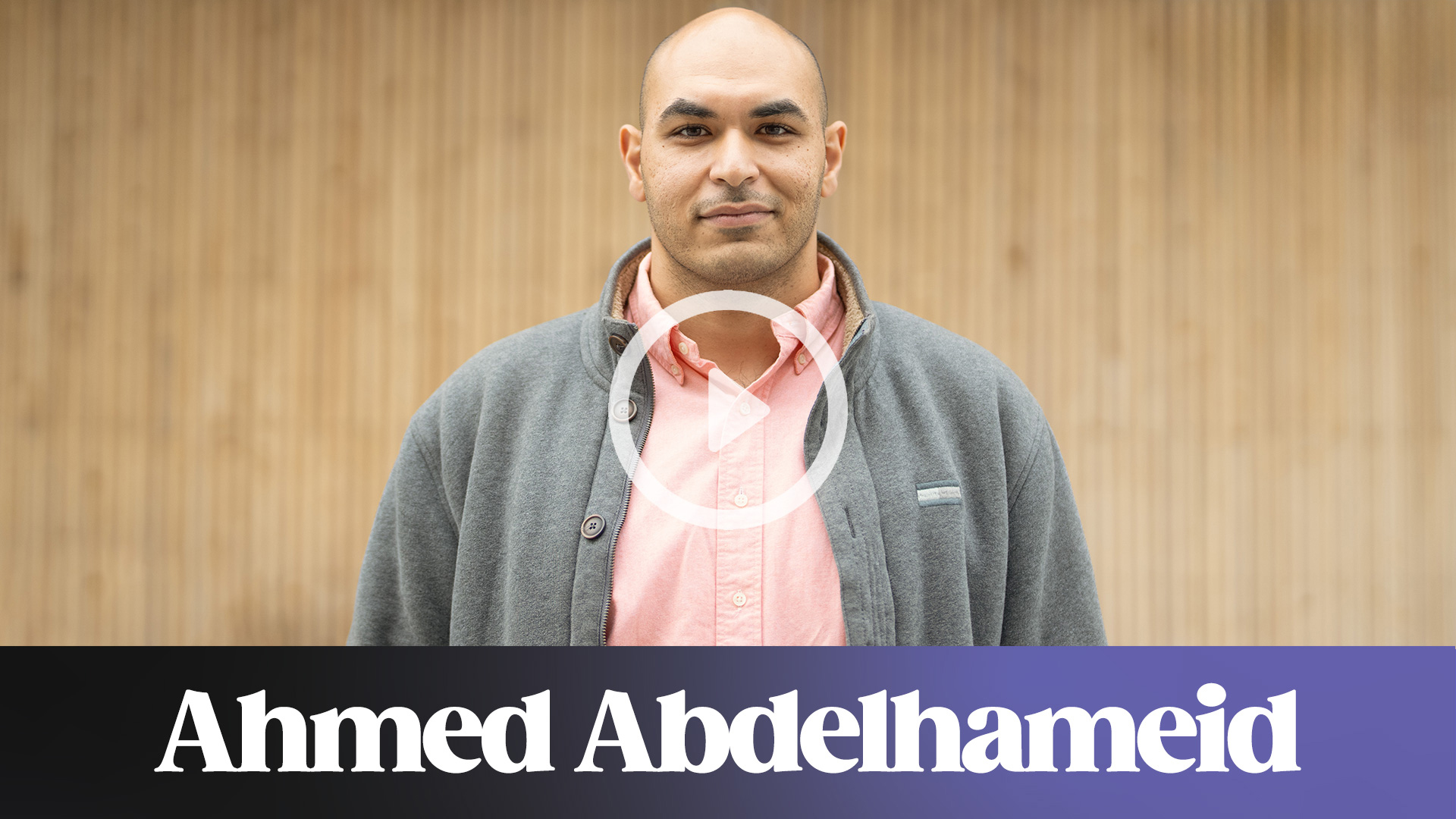
(2023) When Ahmed Abdelhameid was 15-years-old, and a recent immigrant, he was met with exclusion when trying to become a lifeguard. Now, as an aquatic specialist, he works to ensure no one else feels the way he did. Talking about the importance of listening and learning from other people’s experiences and backgrounds, Ahmed highlights that without anti-racism in sport and recreation we cannot be inclusive to all.

Cries of “monkey” and the n-word left him feeling “emotionally broken” during a terrible away weekend with his team. The high school hockey goalie made national news following a tournament which saw him accosted with racial slurs by spectators and opposing players. Find out what’s on the 17-year-old’s mind today.